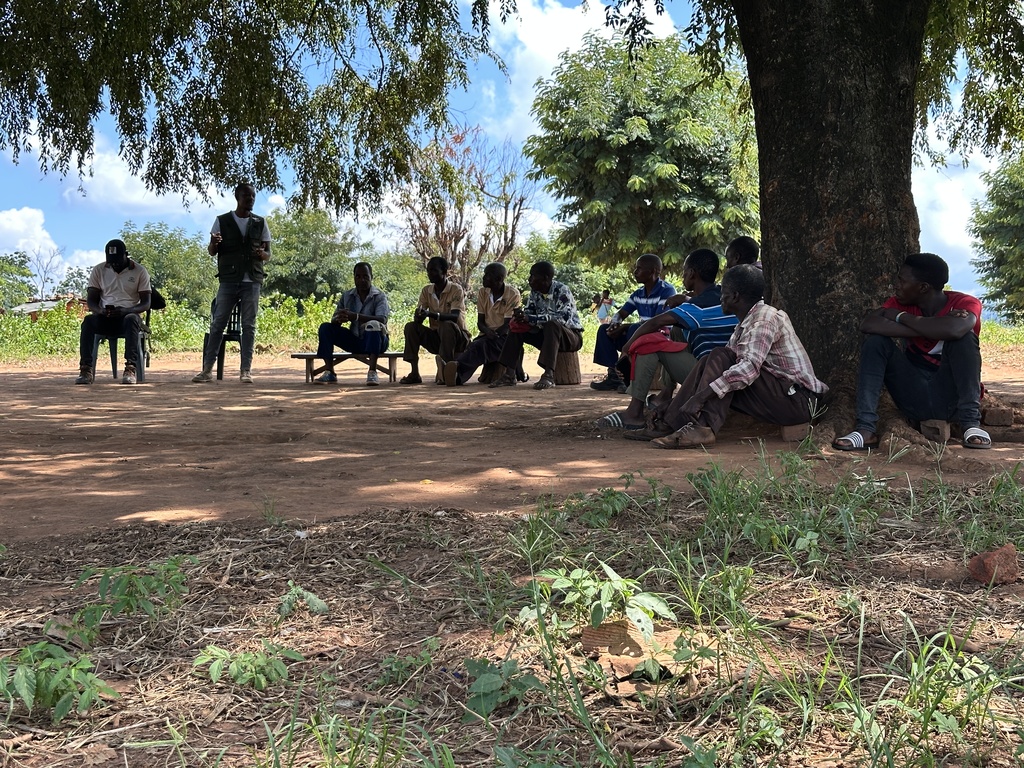
For almost 20 years we have stayed involved and deeply connected with communities across these landscapes. We have built honest, transparent and accountable relationships with communities and their leaders, enabling learning and participatory actions. Demonstrating success (and learning from setbacks) in these varied settings allows knowledge to be shared with broader provincial and national development processes, and internationally. In topics like the relationship between livelihoods, natural resources, and biodiversity, experiences are scaled up through research, policy work, and advocacy.

Chimoio is a landscape of active citizenship and urban possibilities. Here, Micaia’s work focuses on helping young people, associations, and local actors move from frustration to participation, from marginalization to voice, and from informal survival to stronger civic and economic agency.

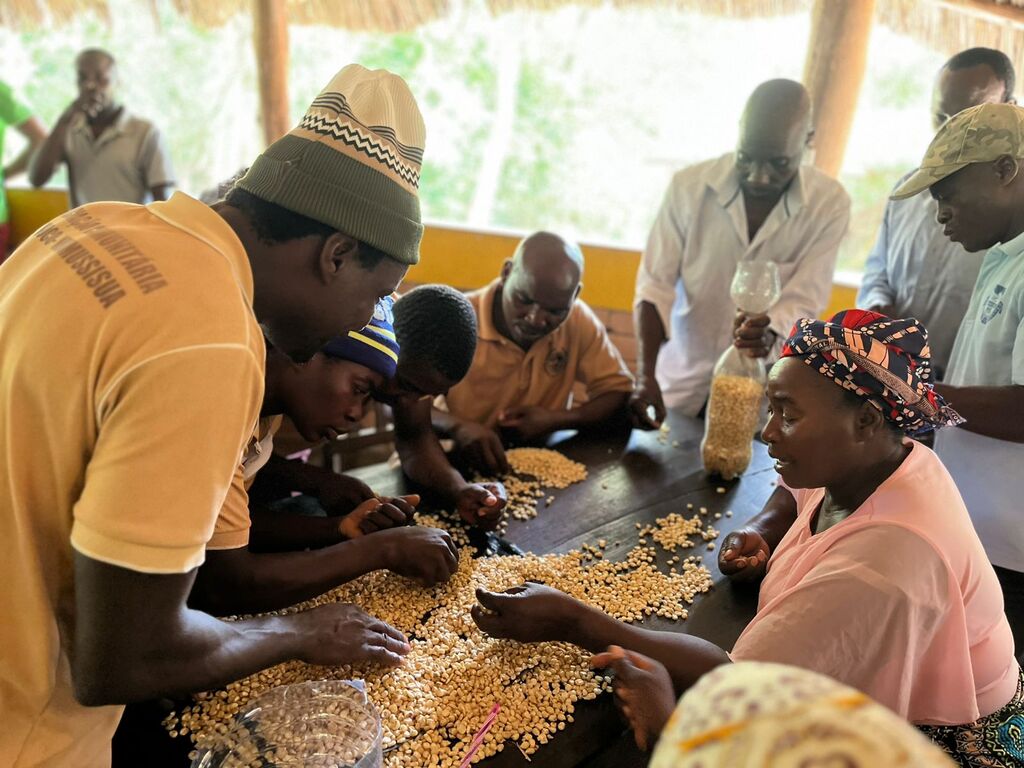
The Lower Zambezi Valley (LZV) is a landscape of resourcefulness under pressure. The area incorporates the districts of Guro, Tambara, and Macossa, dominated by dryland and miombo forests, and vast hunting concessions. Life is tough here, especially for women and girls, in the deeply patriarchal and mostly polygamous culture of the region. Over the years, Micaia’s work has focused on sustainable agriculture, sand dams, baobab value chains, women collectors, functional literacy, natural resource planning, local enterprise, and new value chains such as marula, medicinal plants, beekeeping, and Bambara nut a nutritious bean that is hardy and suited to the dry environment.

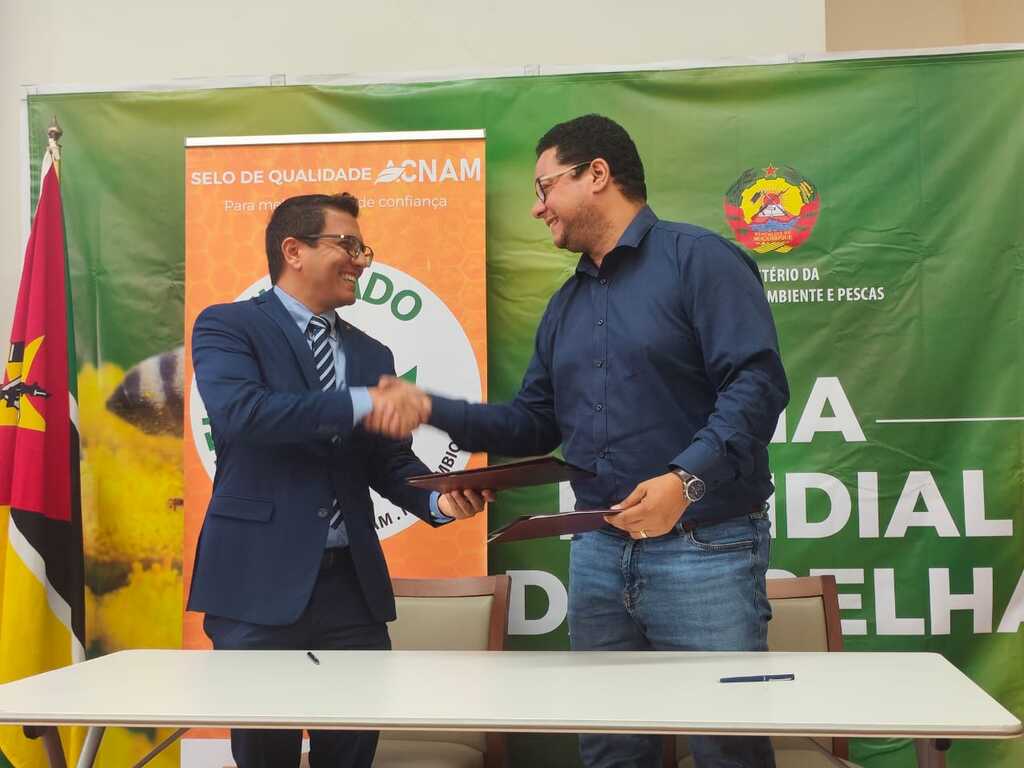
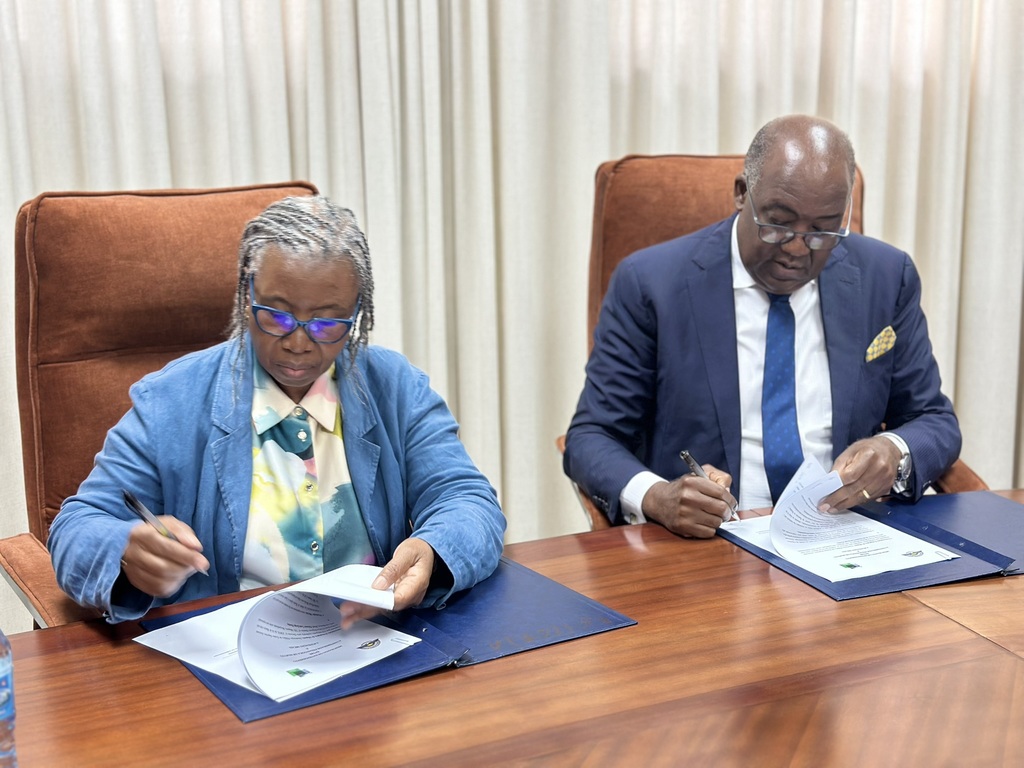
For Micaia, Maputo is the bridge between field experience and national influence. It is where learning from Chimoio, Sussundenga/Chimanimani, and the Lower Zambezi Valley can enter wider debates on inclusive enterprise, climate resilience, community-led development, philanthropy, funding, and development policy. This matters because Micaia’s long-term value is not only in doing the work, but in turning practice into evidence, convening, advocacy, and shared knowledge.

For Micaia, Maputo is the bridge between field experience and national influence. It is where learning from Chimoio, Sussundenga/Chimanimani, and the Lower Zambezi Valley can enter wider debates on inclusive enterprise, climate resilience, community-led development, philanthropy, funding, and development policy. This matters because Micaia’s long-term value is not only in doing the work, but in turning practice into evidence, convening, advocacy, and shared knowledge.